
Manual Lymphatic Drainage
What is Manual Lymphatic Drainage?
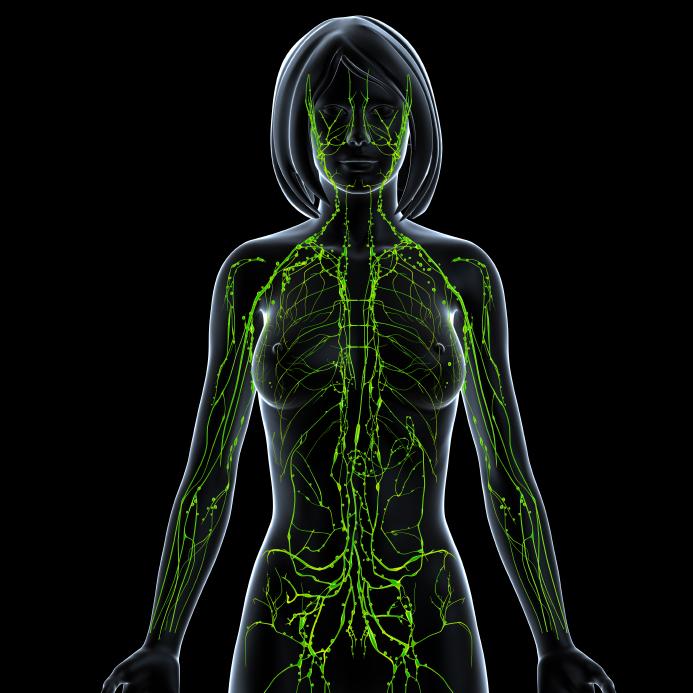
(MLD) is a very gentle, slow and rhythmic paced type of body treatment which focuses directly on improving the function of the Lymphatic System, by following the pathways of the many lymphatic vessels located on the body. It is not a massage, but a type of bodywork specifically designed to move stagnate, congested or excess lymphatic fluid (in the case of Lymphedema or Lipedema) through the correct drainage pathways of the system. These pathways are different for people with uncompromised and compromised lymphatic systems. If you have a compromised lymphatic system, it is vital to have a MLD therapist well educated and trained specifically in working with the body’s watershed barriers, anastomosis and the entirety of the system to ensure safe treatment for your specific conditions.
**Note- for Oncology clients the lymphatic system is compromised even with one lymph node (or Sentinel node) removed. It is extremely important for the client’s health for therapy to be done by a therapist that is specialized in MLD and Oncology massage.**
Your Lymphatic System and its role in maintaining good health.
The Lymphatic System consists of vessels, ducts and nodes and is closely connected to the cardiovascular system. It is often referred to as an “internal cleaning system for the whole body.” It is vital for the maintenance of human life because if it fails to function correctly, excessive fluids and toxins build up causing the body pain, loss of energy, difficulty for the cardiovascular system, infection and disease.
An Inefficient Lymphatic System
If the Lymphatic system is working efficiently, we generally feel healthy. Tiredness, constant fatigue, bouts of colds and infections could mean that our lymphatic system is weak and struggling to function to its optimum capability.
Conditions Benefiting from MLD
(but not limited to)
Fluid Retention
Lymphedema
Lipedema
Post- operation edema
Assistance with weight loss
Edema resulting from sprains/muscle injury/sports injuries
Arthritis
MS
Sinusitis
Fatigue
Cellulite
Aches, pains, headaches
Oncology Clients (In current treatment or remission)
Tension and Stress
Digestive problems
For those with Epstein Barr Virus (mono) it is best to have doctor clearance (after some recovery) as the spleen and liver are enlarged and MLD could overload those organs more.
Oncology
What is oncology massage?
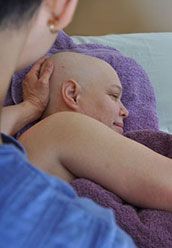
Oncology massage is bodywork that has been specifically adapted to meet the needs of the cancer patient, taking into consideration the levels of pain, fatigue, decline in blood counts, neuropathy, lymphedema risks and the emotional and mental impact the cancer journey has on the patient. On an emotional level it can provide the patient with a sense of comforting touch which can help to restore confidence in their perception of their body image, give them a space to be without fear or judgment and most importantly, to be treated as a whole person: mind, body and spirit. The goal of oncology massage is to enhance the patient’s natural healing abilities by providing a gentle, soothing supportive touch.
Massage for a cancer patient needs to be adapted to ensure that we “First, do no harm;”
This means focusing on respecting the limits of a body that may already be stressed by the disease and its treatments. An oncology massage will honor the body’s healing process by adapting to the specific needs of each individual. Massage will likely differ from any massage received prior to diagnosis and will be explained during the initial session.
Is massage safe when you have cancer?
Massage for cancer patients performed by a massage therapist trained in oncology massage is considered safe. They are knowledgeable in the complications that can arise from cancer treatments and are therefore able to adapt the massage session accordingly during chemotherapy, radiation and pre/post-surgery.
Massage for people at risk for developing Lymphedema?
Anyone who has ever had lymph nodes removed, tested, biopsied or radiated from the neck, armpit or groin is at risk for developing lymphedema. Oncology Massage Therapy honors and adapts the massage session for those who either have or are at risk from developing lymphedema. A person at risk for developing lymphedema should receive massage or Manual Lymphatic Drainage from a therapist trained in Oncology and MLD.
Oncology Massage Considerations
Research has shown that massage stimulates and awakens the natural healing process of the body to restore health and wellbeing. It also suggests that stress-reduction programs tailored to the cancer setting may help patients cope with the side effects of treatment and improve quality of life after treatment.
Patients with the following can receive massage but appropriate modifications such as pressure and site restrictions are necessary
▪ Low RBC, WBC, and platelet counts
▪ Peripheral neuropathy
▪ Radiation and chemotherapy
▪ Bone metastasis or osteoporosis
▪ Skin fragility
▪ Tumor or surgical sites
▪ Medical devices
▪ Risk of DVT
▪ Risk of Lymphedema if nodes have been removed, compromised or radiated
Oncology Massage Benefits
▪ Reduce the perception of pain
▪ Reduce anxiety and fear
▪ Help control nausea and improve appetite
▪ Ease fatigue and assist with sleep
▪ Help with depression and improve mood
▪ Help relieve diarrhea and constipation
▪ Improve low blood counts
▪ Reduce stress and increase relaxation
▪ Promote blood and lymph flow
▪ Improve immune functions
▪ Break up adhesions (scars) and promote faster wound healing
▪ Improve range of motion and mobility
▪ Empower the patient in their healing process
▪ Help the patient regain a sense of control over his or her own treatment and body
▪ Help restore hope